


How to Prevent Emotional Tilting and Bankroll Depletion on GemBet
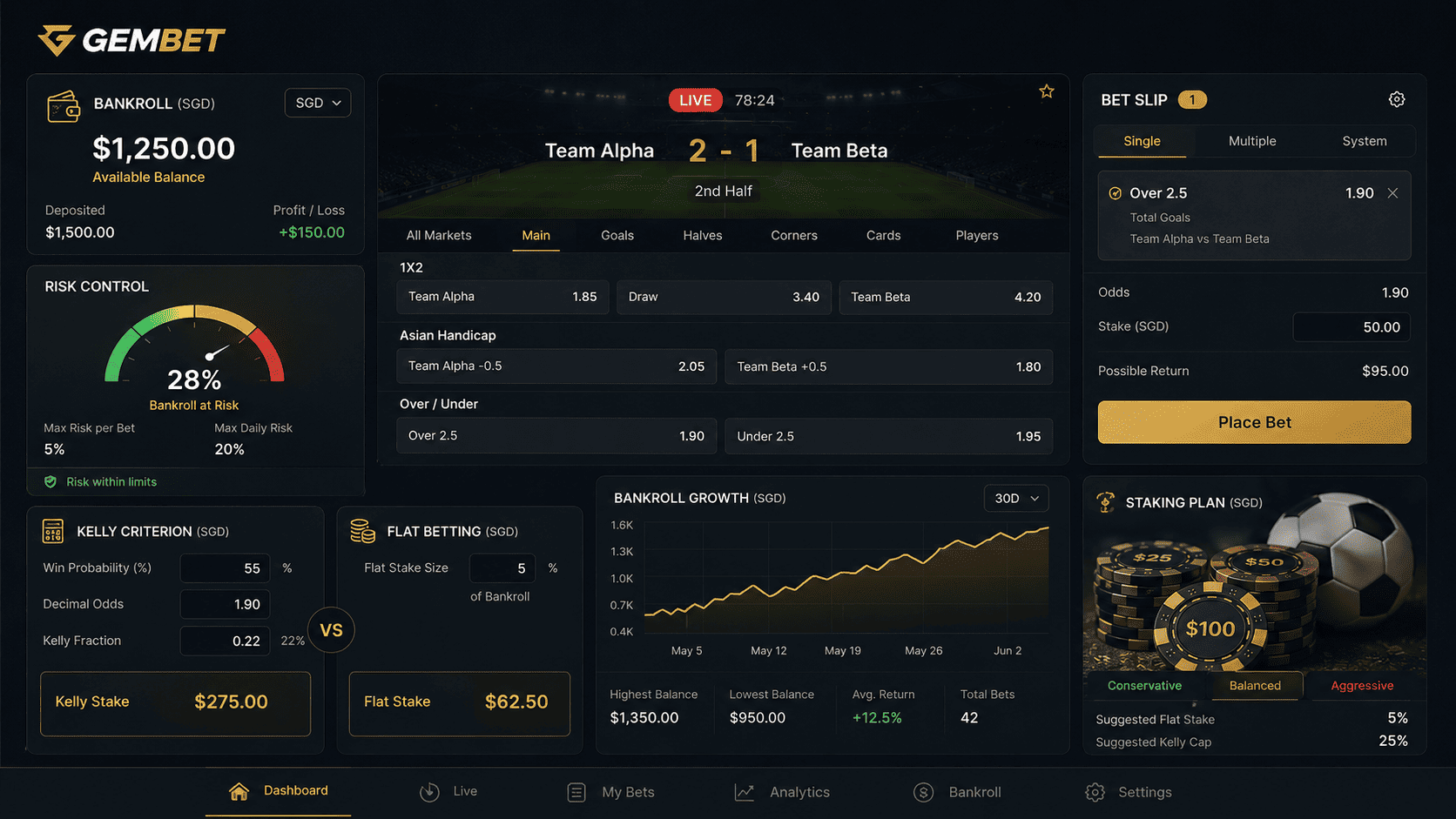
Emotional tilting can happen after a painful loss, a late goal, a bad blackjack run, or a frustrating casino session. One moment you are following your plan. The next moment your heart rate rises, frustration takes over, and you start making bets you would never place when calm.
The danger of emotional tilting is that it turns one bad result into a much bigger bankroll problem. Instead of accepting the loss and stopping, a player may increase stake size, chase fast recovery, switch to unfamiliar games, or keep betting long after the original session plan is gone.
This guide explains why emotional tilting happens, how it causes Gembet Bankroll Depletion, and what practical rules can help players stay disciplined during casino sessions and Gembet sports betting.
What Emotional Tilting Means in Betting
Emotional Tilting is a state where frustration, anger, stress, or panic controls the next decision. It usually starts after a result feels unfair. A football bet may lose because of a 90th-minute goal. A blackjack hand may lose after the dealer pulls an unlikely card. A slot session may drain faster than expected.
The problem is not the loss itself. Losses are part of betting. The real problem is the reaction after the loss. When a player starts betting to recover emotionally instead of following a clear plan, emotional tilting has already started.
Common signs include:
- Increasing stake size suddenly after a loss
- Placing bets faster than usual
- Playing games or markets you do not understand
- Ignoring your session loss limit
- Feeling unable to close the app or browser
- Trying to win everything back in one bet
- Making excuses for breaking your own rules
If these signs appear, the smartest move is to pause before the bankroll damage gets worse.
Why Emotional Tilting Leads to Bankroll Depletion
Emotional Tilting leads to bankroll depletion because it changes the goal of the session. Instead of making controlled decisions, the player becomes focused on recovering the last loss immediately.
This is dangerous because the next bet is no longer based on value, odds, strategy, or game selection. It is based on frustration. That is how a small losing session becomes a major account drop.
| Tilt Trigger | Emotional Reaction | Bankroll Risk |
| Late goal ruins a football bet | Anger and urgency | Player doubles the next stake |
| Dealer wins several hands in a row | Frustration | Player increases blackjack bets too fast |
| Slot balance drops quickly | Panic | Player keeps spinning to recover |
| Withdrawal target is missed | Impatience | Player takes larger risks than planned |
Emotional Tilting is not solved by one lucky recovery win. A lucky recovery can actually make the habit worse because it teaches the player that chasing losses sometimes works.
The Psychology Behind Loss Chasing
Loss chasing is connected to loss aversion. People often feel the pain of a loss more strongly than the pleasure of a win of the same size. After a sudden loss, the brain wants relief, and the fastest relief seems to be winning the money back immediately.
That reaction can bypass careful thinking. A player may understand bankroll rules before the session, but after a frustrating loss, the emotional brain starts making decisions.
The pattern often looks like this:
Sudden loss → frustration → bigger bet size → faster decisions → deeper bankroll damage
The best defense is to build rules before the emotional moment happens. Once emotional tilting starts, willpower alone is often not enough.
Emotional Tilting Warning Signs to Catch Early
The earlier you notice emotional tilting, the easier it is to stop. Many players only recognize tilt after the session is already damaged. A better approach is to watch for small behavior changes.
| Warning Sign | What It Usually Means | Best Response |
| You want to double the next bet | You are chasing recovery | Pause and return to your normal stake |
| You feel rushed | Emotion is controlling timing | Take a 10-minute break |
| You switch to unfamiliar games | You are searching for fast action | Stop and review your session plan |
| You ignore your loss limit | Discipline has broken | End the session immediately |
| You feel you “must” win it back today | Tilt is active | Use a cool-off period |
These signs are not small details. They are early warnings that the session is becoming emotional instead of strategic.
Set a Session Loss Limit Before You Play
The strongest way to reduce emotional tilting is to set a session loss limit before logging in. This limit should be a fixed amount that ends the session automatically when reached.
For example, if your session limit is SGD 100, then the session ends once that amount is lost. No extra deposit. No “one more bet.” No doubling to recover. The rule must be decided before emotions enter the session.
| Bankroll Size | Example Session Loss Limit | Reason |
| SGD 300 | SGD 30 | Keeps one session from damaging the full bankroll |
| SGD 500 | SGD 50 | Creates a clear stop point |
| SGD 1,000 | SGD 100 | Allows play while limiting downside |
| SGD 2,000 | SGD 150 to SGD 200 | Still protects against emotional chasing |
The exact amount depends on your bankroll and comfort level. The important part is respecting the limit every time.
Use Fixed Stake Rules to Stop Tilt Bets
Emotional Tilting becomes more dangerous when stake sizes change randomly. A player may start with SGD 20 bets, lose twice, then suddenly bet SGD 100 because they want a quick recovery.
A fixed stake rule prevents that. Decide your normal stake before the session and do not change it while playing. If your plan is SGD 20 per sports bet or SGD 5 per casino round, that is the maximum for the session.
Use these stake rules:
- Set your normal stake before playing
- Do not increase stakes after a loss
- Do not increase stakes after a win streak
- Do not make “recovery bets”
- Pause if you feel tempted to bet larger than planned
Fixed stake rules make emotional tilting easier to control because they remove the biggest tool of loss chasing: sudden bet increases.
Avoid Alcohol-Fueled Betting Sessions
Betting requires discipline, patience, and clear thinking. Alcohol can lower inhibition and make risky choices feel easier. That is why drinking during a betting session can increase the chance of Gembet Bankroll Depletion.
A player who normally follows limits may start ignoring them after a few drinks. Stake sizes may rise, session time may stretch, and frustration may become harder to control.
If the goal is disciplined play, keep betting sessions clean. Save alcohol for social time, not bankroll decisions.
Focus on Long-Term Volume, Not One Result
One of the best ways to reduce emotional tilting is to stop judging yourself by one bet, one hand, or one matchday. Short-term results can be unfair. Strong decisions can lose, and weak decisions can win.
Professional bettors usually review performance across a large sample of bets. They care about process, closing line value, stake discipline, and decision quality. A single bad beat does not define the strategy.
Instead of asking, “How do I win this loss back right now?” ask:
- Did I follow my staking plan?
- Was the bet placed for a clear reason?
- Did I take a fair price?
- Did I stay within my session limit?
- Would I make the same decision again while calm?
This mindset keeps one bad result from becoming a bankroll-damaging emotional reaction.
Emotional Tilting Control Checklist Before Playing
Use this checklist before starting a session. It gives your strategy structure before any bad beat happens.
| Control Step | What to Decide | Why It Helps |
| Session budget | How much can I lose today? | Creates a hard stop point |
| Stake size | What is my normal bet amount? | Prevents sudden tilt bets |
| Stop rule | When does the session end? | Removes negotiation after losses |
| Game or market list | What am I allowed to bet on? | Stops random live-market chasing |
| Break rule | When will I pause? | Interrupts emotional momentum |
| Cool-off option | What tool will I use if I lose control? | Adds a backup safety layer |
This checklist should be completed before any bet is placed. Once the session begins, emotions can make simple rules harder to follow.
Use Platform Settings Before Willpower Fails
Many platforms include safety settings that can help players stay within limits. These tools are useful because they work even when motivation drops. If you know emotional tilting is a risk, set the protection before the session begins.
Useful settings may include:
- Daily deposit caps
- Weekly deposit caps
- Session reminders
- Cool-off lockouts
- Temporary account breaks
- Self-exclusion tools
These settings are not a weakness. They are bankroll protection tools. They can stop one emotional session from turning into long-term damage.
What to Do After a Bad Beat
A bad beat is one of the strongest emotional tilting triggers. The best response is to slow the session down immediately.
- Stop betting for 10 minutes: Give your emotions time to settle.
- Check your session loss limit: If the limit is reached, end the session.
- Do not raise the next stake: Keep the same bet size or stop completely.
- Review the reason for the next bet: Do not bet only because something is live.
- Use cool-off tools if needed: Lock the account temporarily if you feel out of control.
Winning the next bet is not the goal. Protecting the bankroll is the goal.
When to End the Session Early
Some sessions should end before the loss limit is reached. If your thinking changes, the session may no longer be safe.
End the session early if:
- You feel angry after a result
- You want to increase your stake suddenly
- You are betting only to recover losses
- You are opening markets you do not normally bet
- You are tired, distracted, or drinking
- You keep saying “just one more bet”
Stopping early is not losing. It is discipline. The bankroll remains available for another day when decisions are calmer.
Smart Player Notes for Tough Sessions
Tough sessions are unavoidable. The key is to make sure a difficult run does not become a full bankroll collapse. emotional tilting becomes weaker when you follow rules that are already written down.
Keep these notes visible before playing:
- A bad beat does not require an immediate response
- A missed bet is better than a forced bet
- A smaller loss is easier to recover than a full bankroll wipeout
- One calm stop can protect weeks of progress
- No single session should decide your entire bankroll
These reminders help turn a frustrating run into a controlled stop instead of a reckless chase.
Best Way to Prevent Emotional Tilting on Gembet
The best way to prevent emotional tilting is to set limits before playing, keep stake sizes fixed, avoid alcohol, focus on long-term volume, and use cool-off tools when needed. A strong plan protects your bankroll before frustration has a chance to take over.
For Gembet players, the real goal is not to win back every loss immediately. The goal is to stay in control long enough to keep making clear decisions. When you stop chasing, respect limits, and end tough sessions early, emotional tilting becomes easier to manage and your bankroll has a better chance to survive the ups and downs of casino and sports betting.
Highest odds in SG for EPL & Champions League. 5-minute fast payouts via PayNow.

